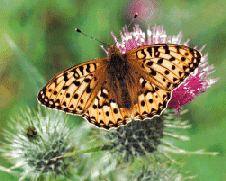
A Fritillary butterfly on thistle

Biological Information
The site is biologically diverse and potentially an important site for rare species including the high brown fritillary (their presence on the site has been confirmed by Mr R. Stewart, Butterfly Project Officer with the Cumbria Wildlife Trust) which also have established breeding sites on near by limestone grassland sites such as Warton Crag Local Nature Reserve.
A Fritillary butterfly on thistle
On the pavement and margins of the grassland numerous juniper bushes (Juniperus communis) have been identified, some laden with berries. The clearance of hawthorn/birch/hazel from the juniper areas will ensure the further colonisation of juniper on the site.
The trees in the woodland include yew (Taxus baccata), Scot's pine (Pinus sylvestris), penduculate oak (Quercus robur), silver birch (Betula Pendula) and English elm (Ulmus procera). The woodland flora includes the locally uncommon lily of the valley (Convallaria majalis).
Their are a number of plant species present which are poisonous to stock. Yew, bracken and ragwort (Senecio jacobaea). It is intended that the ragwort be eliminated from the site as this potentially could be the most hazardous to the welfare of the Exmoor ponies. There is a more extensive species list available, courtesy of Tony Riden and the Countryside Management Service.
 |  |  |